
Does Every Wall Need Decor? A Friendly Guide to Knowing When to Style and When to Stop

Let’s be honest — when you move into a new space or decide to redecorate, one of the first questions that pops up is: does every wall need decor?
It’s tempting to think every blank wall is begging for artwork, shelves, or mirrors. After all, we’ve all seen those Pinterest-perfect rooms where every inch of wall space seems perfectly styled. But here’s the truth — not every wall needs something on it.
When I first started decorating my home, I went overboard. Every wall had something — a painting here, a photo collage there, a shelf with plants somewhere else. It looked… cluttered. Once I started removing a few things, the room suddenly felt calmer and more balanced.
So, if you’re wondering whether your walls are too bare or too busy, you’re in the right place. Let’s unpack the idea of wall decor — when it’s essential, when it’s optional, and how to strike the perfect balance.
The Short Answer: No, Not Every Wall Needs Decor
Here’s the deal: a blank wall can be just as intentional as a decorated one.
Sometimes, empty space serves a purpose — it gives the eye a place to rest, balances out busier areas, and prevents your room from feeling overcrowded.
Think of your walls like pauses in a song. Without those quiet moments, the melody would feel overwhelming.
So, while wall decor can absolutely enhance a space, knowing when not to decorate is just as important as knowing how to decorate.
Why You Don’t Have to Fill Every Wall
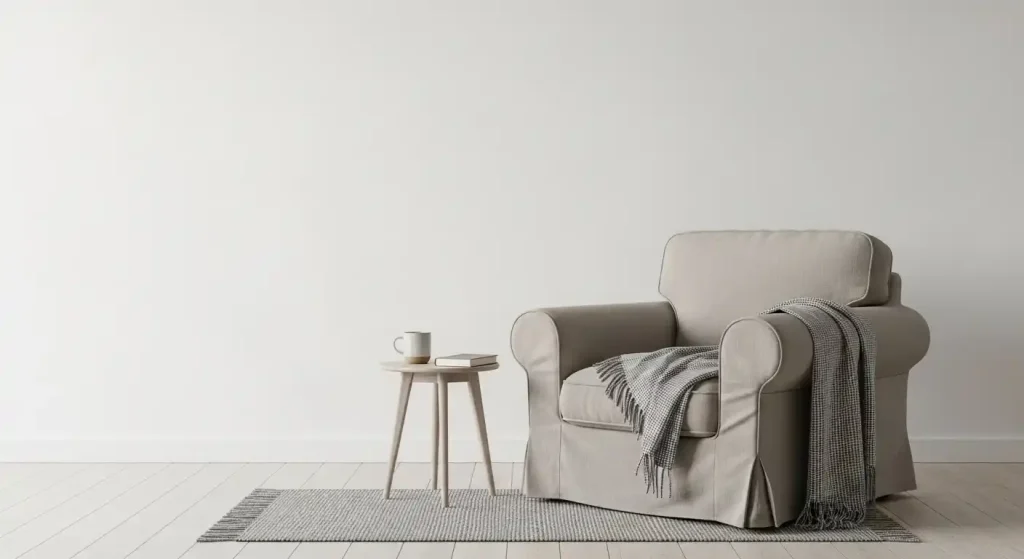
Let’s start with the “why.” Why is it okay — even good — to leave some walls bare?
1. Negative Space Creates Balance
In design, negative space (aka empty space) is powerful. It helps create visual breathing room and draws attention to the things that are decorated.
If every wall is covered in art or shelves, your eyes don’t know where to look. Leaving one or two walls blank helps the rest of your decor shine.
2. Too Much Decor Can Feel Cluttered
Ever walked into a room that felt chaotic, even though it was beautifully styled? That’s usually because there’s too much going on.
IMO: A little restraint goes a long way. Minimalist walls can make your home feel larger, calmer, and more sophisticated.
3. Some Walls Serve Functional Purposes
Not every wall is meant to be decorative. Some are purely practical — like the wall with your thermostat, light switches, or built-in storage. Adding decor there can make things look awkward or forced.
4. Your Room’s Layout Matters
If your furniture already commands attention — say, a statement sofa or a large bookshelf — you might not need wall decor competing for attention.
Pro tip: Let your furniture and architecture guide your wall choices, not the other way around.
When a Wall Does Need Decor
Of course, there are times when a wall looks too bare — when it throws off the balance of the room or makes a space feel unfinished.
Here’s how to know when a wall could use a little love.
1. The Room Feels Empty or Cold
If your room feels echoey or sterile, adding wall decor can warm it up. Art, mirrors, or textiles (like fabric hangings) can bring texture and personality to the space.
2. There’s a Focal Point Missing
Every room needs a visual anchor — something that draws the eye and sets the tone. If your room doesn’t have one, your walls are a great place to create it.
For example:
- A large piece of artwork above the sofa
- A gallery wall behind the dining table
- A statement mirror by the entryway
3. You Have Large, Unbroken Wall Space
If a wall feels overwhelmingly blank — especially in open-concept spaces — adding decor can help break it up and make the room feel cozier.
4. You Want to Express Personality
Walls are a great place to showcase who you are — your interests, travels, or memories. Family photos, art prints, and even DIY projects can make your home feel uniquely yours.
How to Decide Which Walls to Decorate
So, how do you know which walls should stay blank and which deserve attention?
Here’s a simple method I use when styling any room.
Step 1: Identify the Focal Point
Ask yourself, where do I want the eye to go first?
Usually, it’s the wall behind your main furniture piece — like the sofa, bed, or dining table. That’s your primary candidate for decor.
Step 2: Assess the Balance
Look around the room. If one side feels heavy with decor (say, a gallery wall or large bookshelf), leave the opposite wall blank to balance things out.
Step 3: Consider Functionality
Walls near doorways, windows, or storage areas often don’t need extra decor. Prioritize walls that feel visually empty but not functionally busy.
Step 4: Test It Out
Before committing, use painter’s tape or paper cutouts to visualize where art or shelves would go. Sometimes you’ll realize the wall looks better untouched.
Creative Alternatives to Traditional Wall Decor
Not every wall needs framed art or shelves. Sometimes, the best “decor” is subtle or even built-in.
Here are a few creative alternatives.
1. Paint or Wallpaper
A bold paint color, accent wall, or textured wallpaper can make a statement without hanging a single object.
Examples:
- A deep navy accent wall behind a light sofa
- Geometric wallpaper in a hallway
- Limewash paint for a soft, organic texture
2. Architectural Elements
Let your walls speak for themselves with features like:
- Wainscoting or molding for classic charm
- Wood paneling for warmth
- Exposed brick or stone for texture
These elements add depth and character without needing extra decor.
3. Plants
Vertical gardens or simple wall-mounted planters bring a natural touch that feels fresh and modern.
4. Lighting
Wall sconces or hanging lights can double as both functional and decorative elements. They add ambiance and style — no artwork required.
5. Mirrors
Mirrors are a timeless way to fill a wall while making a space look larger and brighter.
Pro tip: Place mirrors across from windows to reflect natural light.
How to Style Walls Without Overdoing It
Okay, so you’ve decided a few walls need decor — now what? The key is to decorate intentionally.
1. Choose a Theme or Color Palette
Stick to a consistent vibe. Whether it’s boho, modern, or minimalist, your wall decor should complement your room’s overall style.
2. Mix Sizes and Shapes
A mix of large and small pieces keeps things interesting. For example, pair a large art print with smaller frames or wall hangings nearby.
3. Leave Breathing Room
Space between items is just as important as the items themselves. Avoid crowding your walls — let each piece stand on its own.
4. Think in Layers
Combine different types of decor for depth:
- Artwork + shelves
- Mirrors + sconces
- Plants + framed prints
Layering adds visual interest without overwhelming the space.
Common Mistakes People Make with Wall Decor
Even with the best intentions, it’s easy to go overboard. Here are a few pitfalls to avoid.
1. Overcrowding Every Wall
If every wall has something, your space can feel chaotic. Remember — less is often more.
2. Ignoring Scale
Tiny artwork on a huge wall looks lost, while oversized art in a small space can feel suffocating. Always match the scale of your decor to the wall size.
3. Hanging Everything Too High
This one’s a classic. Artwork should generally hang at eye level — about 57–60 inches from the floor to the center of the piece.
4. Forgetting About Cohesion
Random pieces that don’t relate to each other can make your room feel disjointed. Look for common threads — color, theme, or material — to tie everything together.
When a Blank Wall Becomes a Design Statement
Here’s the fun part — sometimes, a blank wall is the statement.
1. Minimalist and Modern Spaces
In minimalist design, empty walls emphasize simplicity and calm. A blank wall can highlight the beauty of your furniture, lighting, or architecture.
2. Open-Concept Homes
In open layouts, too much wall decor can make spaces feel cluttered. Leaving some walls bare helps define zones naturally.
3. Small Rooms
In tight spaces, blank walls can make a room feel larger and airier. Instead of adding decor, focus on texture and color to add depth.
Quick Tips for Finding the Right Balance
If you’re still unsure whether to decorate a particular wall, here’s a quick checklist:
- Does the wall feel empty or balanced?
- Is there already a focal point in the room?
- Will decor enhance or distract from existing features?
- Does the space feel cluttered when you add something?
- Are you decorating because you want to or because you feel like you should?
If you answered “yes” to the last one, maybe it’s time to let that wall breathe.
Final Thoughts: Does Every Wall Need Decor?
So, does every wall need decor? Absolutely not. In fact, some of the most beautiful interiors use restraint — they let certain walls remain blank to highlight what’s around them.
Here’s the key takeaway:
- Decorate with intention, not obligation.
- Use negative space to create balance and calm.
- Let your personality shine through a few well-chosen pieces rather than covering every inch.
When I finally embraced the idea that blank walls are okay, my home felt more peaceful and authentic. It stopped feeling like a showroom and started feeling like me.
So next time you’re tempted to fill every wall, take a step back and ask yourself: Does this wall really need decor — or is it perfect just the way it is?