
How to Grow Eco-Conscious Boho Herb Gardens in Terra Cotta Pots

If you love the charm of boho decor and want to add a fresh, green touch that’s also eco-friendly, growing herb gardens in terra cotta pots is a perfect match.
Combining earthy textures with sustainable gardening practices, eco-conscious boho herb gardens bring life and aroma right into your home or kitchen space.
In this guide, we’ll walk through how to cultivate your own lush herb garden using terra cotta pots—those classic, breathable vessels beloved in boho styling—and share tips to keep your garden thriving sustainably.
Whether you’re sprucing up a sunny windowsill or creating a mini garden nook, this approach connects style, nature, and conscience effortlessly.
Why Choose Terra Cotta Pots for Boho Herb Gardens?
Terra cotta pots are a boho staple for good reason.
Their warm, natural clay tones add texture and rustic beauty that complement the earthy palette typical of boho spaces like the green earthy boho kitchen or the vibrant emerald green boho kitchen.
More than just aesthetic, terra cotta is porous, allowing air and moisture to circulate, which helps prevent root rot—a common problem in container gardening.
This breathability encourages healthy root growth, especially for herbs which prefer well-draining soil.
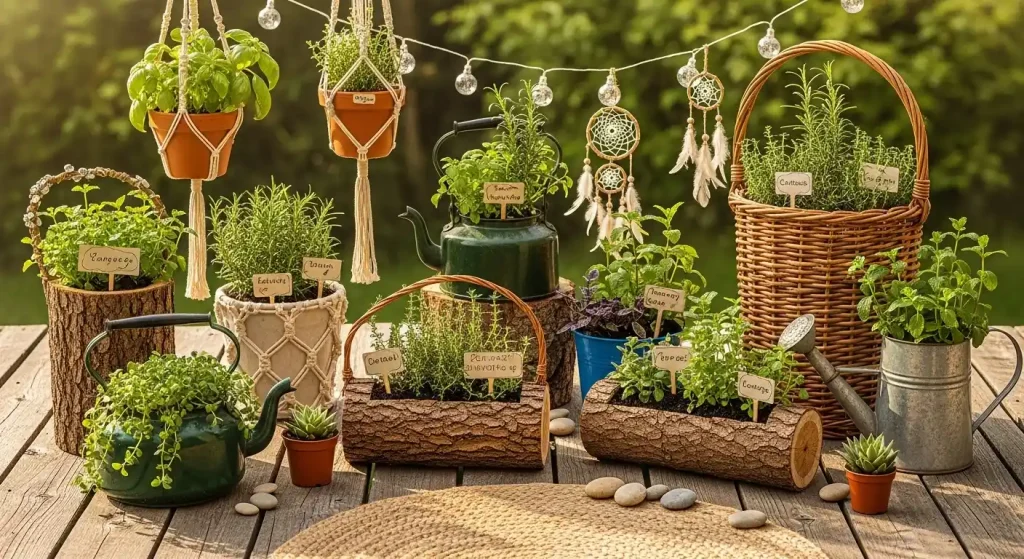
Selecting the Right Herbs for Your Eco-Conscious Boho Herb Garden
Start by choosing herbs that thrive in pots and suit your lifestyle and culinary habits. Popular, easy-to-grow options include:
- Basil – Bright and aromatic, perfect for kitchen use.
- Rosemary – Hardy and fragrant, adds Mediterranean vibes.
- Thyme – Low-maintenance and flavorful.
- Mint – Refreshing, but best kept contained due to spreading roots.
- Parsley – Versatile and nutrient-rich.
- Lavender – Adds scent and a boho floral touch.
Consider herbs native to your climate for a truly eco-conscious choice, as they require less water and care. Planting a variety also ensures continuous harvest and biodiversity.
Preparing Your Terra Cotta Pots for Sustainable Growth
Before planting, soak your terra cotta pots in water for a few hours.
This reduces excessive water absorption once the plants are in, helping maintain consistent soil moisture.
Use natural, organic potting soil with compost or worm castings to boost nutrients. Avoid synthetic fertilizers to keep your herb garden eco-friendly.
Ensure your pots have drainage holes. If not, drill some to prevent water stagnation.
Place a layer of small stones or broken pot shards at the bottom to improve drainage, which is crucial for healthy roots.
Planting and Care Tips for an Eco-Conscious Herb Garden
- Sunlight: Most herbs love full sun, so place your pots in spots with 6-8 hours of direct light—ideal near a boho kitchen eating area window or boho kitchen entrance.
- Watering: Terra cotta dries out faster, so water consistently but avoid overwatering. Check soil moisture by sticking your finger an inch deep; water only if dry.
- Pruning: Regularly trim your herbs to encourage growth and prevent flowering, which can reduce leaf flavor. Use the clippings in your cooking or herbal teas.
- Pest Control: Embrace natural methods like neem oil sprays or companion planting with marigolds. Avoid chemical pesticides to stay eco-conscious.
- Rotate Plants: Rotate your pots occasionally to ensure even sunlight exposure, preventing leggy growth.
Styling Your Eco-Conscious Boho Herb Garden
Pair your terra cotta pots with woven baskets, macramé hangers, or vintage trays to enhance the boho aesthetic seen in boho kitchen floating shelf ideas or boho kitchen furniture ideas.
Group pots of different sizes and heights for visual interest, layering them on wooden crates or stools near boho kitchen empty walls.
Use natural fiber plant hangers to add dimension without sacrificing sunlight access.
Consider placing your garden near areas where you spend time, like the kitchen diner extension boho or adjacent to the boho kitchen fridge for easy access during cooking.
Sustainability Tips to Keep Your Boho Herb Garden Eco-Friendly
- Use rainwater: Collect rainwater to water your herbs, reducing tap water use.
- Reuse pots and containers: Repurpose old containers or thrift terra cotta pots to minimize waste.
- Compost kitchen scraps: Turn vegetable peels and coffee grounds into compost to nourish your soil naturally.
- Choose organic seeds or seedlings: Support sustainable farming by avoiding genetically modified plants.
- Avoid plastic labels: Use wooden sticks or stones to mark herbs instead of plastic tags.
Troubleshooting Common Issues in Terra Cotta Herb Gardens
- Drying Out Too Fast: Increase watering frequency or group pots together to retain humidity.
- Cracking Pots: Terra cotta can crack in freezing weather; bring pots indoors or wrap them during cold months.
- Yellowing Leaves: Often a sign of overwatering or nutrient deficiency; adjust watering and feed with organic fertilizer.
- Pests: Use companion planting or natural sprays; avoid harsh chemicals to protect beneficial insects.
Integrating Your Herb Garden with Boho Kitchen Decor
Your herb garden can become an extension of your kitchen’s boho vibe.
Use your greenery to complement natural wood tones and earthy textures found in boho kitchen floor designs or the rustic charm of boho kitchen farmhouse.
Display your herbs alongside ceramic dishware from boho kitchen glass cabinet inspirations or near patterned tiles featured in boho kitchen floor tile inspirations.
Conclusion
Growing eco-conscious boho herb gardens in terra cotta pots is a wonderful way to marry sustainability with style.
The natural beauty of terra cotta, combined with mindful gardening practices, creates a fragrant, vibrant oasis that enhances any boho kitchen or living space.
Whether you’re a seasoned gardener or just starting, embracing eco-friendly habits and boho design principles will reward you with fresh herbs, a peaceful green nook, and a home that truly feels alive.
FAQs
Why are terra cotta pots good for herb gardens?
They’re porous, allowing air and moisture to circulate, which helps prevent root rot and encourages healthy growth.
How do I water herbs in terra cotta pots without overdoing it?
Check soil moisture regularly and water when the top inch feels dry, as terra cotta dries out faster than plastic.
Can I grow herbs indoors in a boho style kitchen?
Absolutely! Place your herb pots near sunny windows or use grow lights to keep them thriving.
What herbs grow best in eco-conscious boho gardens?
Basil, rosemary, thyme, mint, parsley, and lavender are popular, easy-to-grow options.
How can I keep my herb garden sustainable?
Use organic soil, avoid chemical pesticides, reuse pots, and collect rainwater for watering.
How do I style my herb garden in a boho kitchen?
Group terra cotta pots with woven baskets, macramé hangers, and natural wood elements for layered texture and warmth.
Are there alternatives to terra cotta that fit a boho vibe?
Yes—wooden planters, ceramic pots with earthy glazes, and woven fiber baskets also complement boho style.
Can I use kitchen scraps to fertilize my herb garden?
Yes, composting vegetable peels and coffee grounds enriches your soil naturally.
How do I prevent pests in my herb garden?
Use natural deterrents like neem oil, companion planting, and avoid chemical sprays.
Where can I find more boho kitchen decor inspiration?
Check out: